


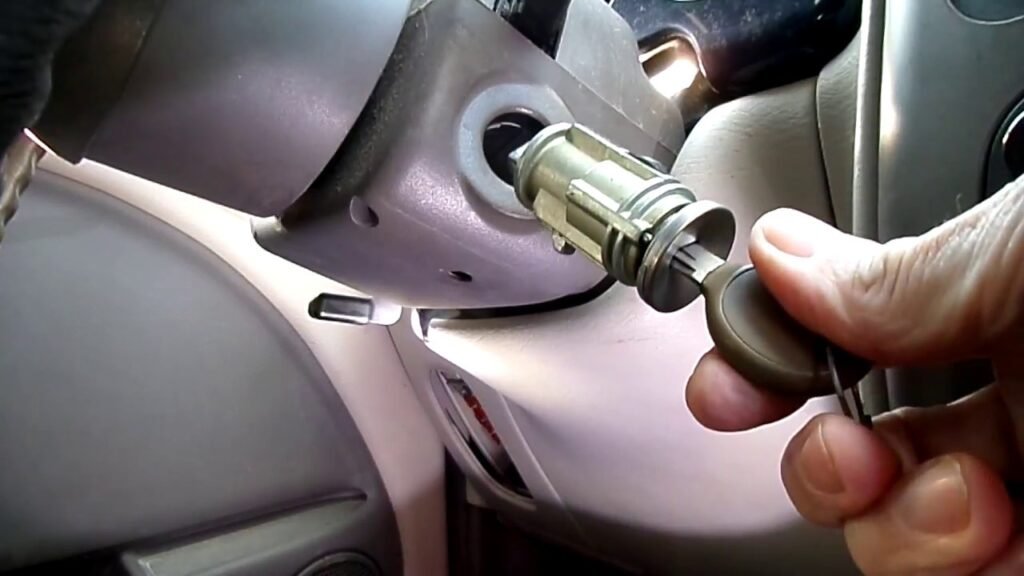
Most home lock problems come down to a handful of causes: dirt and wear inside the lock, a door that has shifted out of alignment, worn or damaged keys, loose hardware, or old batteries in a smart lock. Many of these can be fixed in a few minutes with basic tools and a little lubricant. If the lock is broken, the key is snapped off inside, or you’re locked out, it’s time to call a professional.
At Keyhub Locksmith, we help Knoxville homeowners with lock trouble every week. This guide covers the most common problems, what causes them, what you can safely try yourself, and when to stop and call us.
Quick Troubleshooting Table
| Problem | Likely Cause | Try This First | Call a Pro If |
|---|---|---|---|
| Key is hard to turn | Dirt, dry lock, worn key | Clean and lubricate | Still stiff after cleaning |
| Key stuck in lock | Debris, bent key, damaged pins | Gentle wiggle, graphite lubricant | Key won’t budge or has snapped |
| Deadbolt won’t extend | Door misalignment | Check strike plate alignment | Problem persists |
| Lock won’t turn at all | Internal failure | Try the spare key | Lock is jammed |
| Loose doorknob | Loose screws | Tighten screws | Internal parts are broken |
| Smart lock unresponsive | Dead batteries, connection issue | Replace batteries | Still not working |
| Key won’t go in | Debris, damaged keyway | Clear the keyway | Lock is damaged |
| Lock is frozen | Moisture and cold | Gentle warming | Lock stays frozen |
1. The Key Is Hard to Turn
This is the most common complaint we hear, and it usually builds slowly. At first the key feels a little stiff. Over weeks, it gets worse until you’re jiggling and pushing just to get inside.
Common causes:
- Dust, dirt, and debris collecting in the keyway
- Old or dried-out lubricant
- A worn or poorly cut key, especially a copy of a copy
- Weather exposure, which is common on exterior doors
How to fix it:
- Try your spare key. If it works smoothly, your main key is worn, and a fresh copy from the original usually solves it.
- Blow out any dust or lint from the keyway with compressed air.
- Apply a small amount of graphite powder or a dry silicone-based lock lubricant into the keyway. Insert and remove the key several times to spread it around.
What to avoid: Heavy oils and general-purpose sprays can attract dust and gum up the lock over time. Graphite or dry lubricants are a better long-term choice.
If the key is still stiff after cleaning and lubricating, the internal pins may be worn or damaged, and a locksmith can repair or replace the cylinder.
2. The Key Is Stuck in the Lock
It’s frustrating, and it can happen to anyone. The key goes in but won’t come out, or it gets caught halfway.
Common causes:
- A bent or worn key
- Debris or rust inside the lock
- Damaged internal pins
- Forcing the key when something is misaligned
What to try:
- Stay calm and don’t yank. Pulling hard can snap the key and leave a piece inside.
- Gently wiggle the key up and down while pulling slowly.
- Spray a little dry lubricant or graphite into the keyway and try again.
- Make sure the door is fully closed and the latch isn’t binding. Sometimes pressing or lifting the door slightly relieves pressure on the bolt.
When to call us: If the key is broken off inside the lock, don’t try to dig it out with pins or tools. You can push the broken piece deeper or damage the cylinder. A locksmith has extractors made for this and can often save the lock.
3. The Deadbolt Won’t Extend or Retract
You turn the key or thumb-turn, and the bolt either doesn’t move or only partly slides into the door frame.
The usual culprit is alignment. Houses settle. Wood swells in humid weather and shrinks in dry. Over time, doors shift slightly, and the bolt no longer lines up with the hole in the frame. Knoxville’s humid summers and temperature swings make this especially common.
How to check it:
- With the door open, turn the deadbolt. Does it extend smoothly? If yes, the lock itself is working, and the problem is alignment.
- Close the door and look at where the bolt meets the strike plate on the frame. Is it hitting above, below, or beside the hole?
- Tighten the screws on the hinges and the strike plate. Loose hinges are a common cause of sagging doors.
- If the bolt is slightly off, you may be able to enlarge the strike plate hole with a file or reposition the plate.
If the bolt doesn’t move even with the door open, the lock mechanism itself may have failed. That’s a job for a professional.
4. The Lock Won’t Turn at All
You put the key in and the cylinder simply won’t rotate.
Possible causes:
- The wrong key (easy to do with multiple identical-looking keys)
- A worn or damaged key
- Internal pin damage
- A jammed latch or bolt under pressure
- A frozen or corroded lock
Try this:
- Test your spare key.
- Check that the door isn’t pressing against the frame. Lift or push the door slightly while turning the key.
- Lubricate the keyway.
If none of that works, avoid forcing it. A key broken in a stuck lock turns a simple repair into a bigger one.
5. A Loose or Wobbly Doorknob or Handle
A knob that spins loosely, wiggles, or feels like it’s about to fall off isn’t just annoying. It can fail completely at the worst time.
Cause: Screws that have worked loose through daily use.
Fix:
- Look for visible screws on the handle’s base plate or around the rose (the decorative circle against the door).
- Tighten them with a screwdriver. If the screws are hidden, look for a small slot or pin near the base of the knob that releases the cover.
- Check the screws on the latch plate on the edge of the door too.
If tightening doesn’t help, the internal spindle or latch may be worn, and replacing the hardware is the better route.
6. The Latch Doesn’t Catch (Door Won’t Stay Closed)
You close the door, and it bounces back open or doesn’t latch until you push hard.
Common causes:
- Misaligned strike plate
- A sagging door from loose hinges
- A worn latch mechanism
- Paint buildup around the latch or strike plate
Fixes:
- Tighten hinge screws, especially the top hinge.
- Look for scuff marks on the strike plate that show where the latch hits.
- Adjust or reposition the strike plate.
- Clean paint or debris from the latch.
If the door has dropped significantly, the hinges may need shimming or longer screws. A locksmith or carpenter can help.
7. Worn or Damaged Keys
Keys are small pieces of metal that take a lot of abuse. Over years, the cuts wear down, and the lock and key stop matching as well as they once did.
Signs your key is worn:
- It needs jiggling to turn
- It works some days and not others
- The edges look smooth or rounded
- It’s a copy of a copy
The fix: Have a new key cut from the original or from the lock’s code, not from a worn copy. Each generation of copying introduces small errors. A locksmith can make a precise key and, if the lock itself is worn, replace the cylinder.
8. A Lock That’s Frozen or Sticking in Cold Weather
Knoxville doesn’t see the extremes of northern states, but cold, damp mornings and the occasional ice storm can freeze moisture inside exterior locks.
What to do:
- Warm the key gently with a lighter or warm water, then insert it. Be careful with heat.
- Use a de-icer made for locks, or a dry lubricant after thawing.
- Avoid pouring hot water on the lock, because it can refreeze and make things worse.
Prevention: Apply a dry lubricant in fall before temperatures drop, and check weatherstripping around the door.
9. Smart Lock and Keypad Problems
Smart locks are convenient, but they come with their own set of issues.
Common problems:
- Dead or low batteries. This causes most smart lock failures. Replace batteries once a year or when the lock warns you.
- Connection drops. Wi-Fi or Bluetooth connectivity can fail. Try restarting the lock or reconnecting it in the app.
- Keypad not responding. Clean the pad, check the batteries, and try resetting following the manufacturer’s instructions.
- Misaligned bolt. A smart lock still depends on proper door alignment. If the bolt drags, the motor strains and drains batteries.
Keep a backup physical key somewhere safe, and know the manufacturer’s reset process. If a smart lock fails to respond after new batteries and a reset, a professional can diagnose whether it’s a hardware or installation problem.
10. Locked Out of Your Own Home
It happens to nearly everyone eventually. Before you panic:
- Check every door and window you know is unlocked, safely and legally on your own property.
- Call a family member or roommate who may have a spare.
- If you have a smart lock, check for a keypad code or app unlock.
- Call a licensed local locksmith. A professional can usually get you in without damaging the lock, which is far cheaper than a broken door.
Avoid trying to force the door or break a window. The repair often costs more than the locksmith call, and the damage can compromise your home’s security.
A note on safety: A legitimate locksmith will ask for identification showing you live at the address before opening a door. If a locksmith doesn’t ask, that’s a red flag.
When to Repair and When to Replace
Repairing makes sense when:
- The issue is minor, like dirt, a loose screw, or a bit of misalignment
- The lock is relatively new and in good condition
- Only one part, such as the key or latch, is worn
Replacing is smarter when:
- The lock has been damaged by a break-in attempt
- The mechanism is worn out or sticks repeatedly
- The hardware is old and no longer secure
- You’ve lost keys and want to be sure nobody else has a copy
- You’ve just moved in and don’t know who has keys to your home
There’s also a middle option: rekeying. This changes the internal pins so old keys no longer work, without replacing the whole lock. It’s often a quicker and more affordable choice when you’ve lost keys or moved into a new home.
DIY Maintenance to Prevent Lock Problems
A few minutes a couple of times a year can prevent most of the problems above.
- Clean and lubricate locks every 6 to 12 months with graphite or dry silicone lubricant.
- Tighten screws on knobs, hinges, and strike plates.
- Test your deadbolts with the door open and closed.
- Replace batteries in smart locks on a schedule.
- Make spare keys from originals and store them safely.
- Don’t force a key. If it doesn’t turn smoothly, stop and investigate.
- Check weatherstripping and door seals to keep moisture out.
Signs It’s Time to Call a Locksmith
Reach out to a professional if:
- A key is broken off inside the lock
- The lock won’t turn or is jammed
- You’ve been locked out
- A lock has been tampered with or damaged
- You lost keys or want to rekey for security
- A smart lock keeps failing after basic troubleshooting
- You want to upgrade to high-security locks
- The door and frame are damaged around the lock
It’s often cheaper to call early than to wait for a small issue to become a lockout or a break-in risk.
Frequently Asked Questions
Why is my house key so hard to turn?
Usually it’s dirt, a dried-out lock, or a worn key. Cleaning the keyway and applying graphite or dry lubricant often fixes it. If the problem continues, the cylinder may need repair or replacement.
What should I do if my key is stuck in the lock?
Don’t force it. Gently wiggle the key, add a dry lubricant, and make sure the door isn’t binding. If it won’t come out or has broken, call a locksmith.
Can I fix a deadbolt that won’t lock myself?
Often, yes. First check the alignment between the bolt and the strike plate, and tighten loose hinge and plate screws. If the bolt doesn’t move with the door open, the lock itself likely needs professional repair.
What’s the best lubricant for door locks?
Graphite powder or a dry silicone-based lubricant is generally recommended. Heavy oils can attract dirt and cause buildup.
What’s the difference between rekeying and replacing a lock?
Rekeying changes the inner pins so a new key works and old keys don’t, while keeping the same lock hardware. Replacing swaps the whole lock for a new one.
How often should locks be replaced?
There’s no fixed schedule. Quality locks can last many years with maintenance. Replace them if they’re damaged, worn out, or if you’ve lost control of keys.
Why does my door lock stick more in summer?
Humidity can make wood doors swell, which pushes the bolt and latch out of alignment. Adjusting the strike plate or hinges often solves it.
Are smart locks reliable?
Generally, yes, when properly installed and maintained. Keep fresh batteries, keep firmware updated, and keep a backup key.
How do I know a locksmith is legitimate?
Look for a business with a local presence, clear pricing, and professional identification. They should ask you to verify that you own or live at the property before opening a door.
Final Thoughts
Most lock problems start small, and a little attention goes a long way. Clean the lock, tighten the screws, check the door alignment, and treat your keys with care. When something goes beyond a simple fix, or when your home’s security is at stake, it’s worth having an expert take a look.
Need Help With a Lock in Knoxville? Call Keyhub Locksmith
Whether you’re dealing with a stuck key, a stubborn deadbolt, a lockout, or just want your locks rekeyed for peace of mind, Keyhub Locksmith is ready to help homeowners across Knoxville, TN. We offer honest advice, careful workmanship, and clear pricing, so you’ll know what to expect before we start. Call us today, and let’s get your home secure again.