


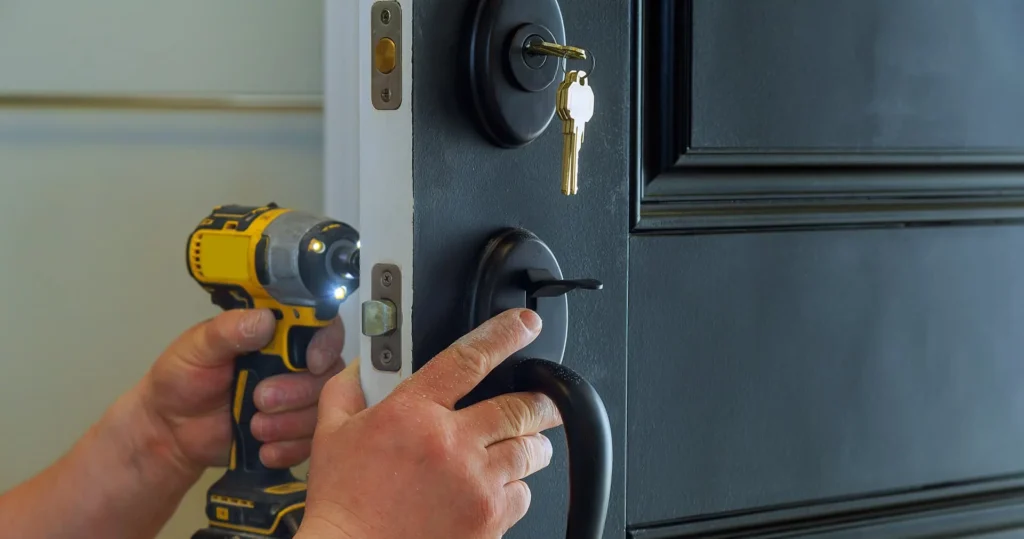
Most lock and key problems come down to wear, weather, misuse or bad luck: a key that snaps, a lock that sticks, a door that won’t latch, a car key that stops working, or a simple lockout. A trained locksmith can usually fix these without destroying the lock, whether that means extracting a broken key, cleaning and repairing a worn cylinder, rekeying, replacing hardware or programming a new car key.
Below we walk through the most common problems, why they happen, and how a professional locksmith handles each one. We’ll also share a few safe things you can try yourself first, and a few things you shouldn’t.
Why Locks and Keys Fail in the First Place
Locks are small mechanical machines that get used thousands of times a year. You open your front door, your car, your office, your storage unit and your mailbox over and over. Over time, that adds up.
Here in East Tennessee, we also deal with swings in temperature, humidity, pollen and dust, all of which can affect how smoothly a lock works. Add in a little neglect, a cheap copy of a key or a door that has shifted slightly with the seasons, and trouble isn’t far behind.
The good news is that most of these problems are common and fixable.
Problem 1: You’re Locked Out
This is the call locksmiths get most. You close the door, and the keys are on the kitchen counter. Or they’re in the ignition. Or they’re in a coat pocket you left at a friend’s house.
Why it happens
- Keys left inside the home, car or business
- A door that locks automatically when it closes
- A lost or stolen key
- A broken key or a malfunctioning lock
How a locksmith solves it
A professional uses specialized, non-destructive entry methods designed to open the lock without damaging the door, frame or lock whenever possible. The method depends on the lock type, the door and the situation.
What to expect: A reputable locksmith will ask you to prove you’re allowed to be there, such as a photo ID with a matching address, a lease, a utility bill or vehicle registration. This isn’t to be difficult. It’s a safeguard that protects you and your property.
What not to do
Don’t try to force the door, break a window or pry at the frame. The repair often costs more than the locksmith visit would have, and you could get hurt.
Problem 2: The Key Is Stuck or Won’t Turn
You push the key in, and it won’t turn. Or it turns halfway and stops. Or it slides in but feels rough and gritty.
Why it happens
- Dirt, dust or debris inside the lock
- A worn or bent key
- A damaged or worn-out lock cylinder
- Pins or internal parts that are out of alignment
- A door or frame that has shifted, so the bolt is binding
- A poor-quality key copy that doesn’t match the original well
How a locksmith solves it
The first step is figuring out whether the problem is the key, the lock or the door. A locksmith will check the key against its original specifications, clean and lubricate the lock with products made for locks, check the internal parts and, if needed, repair or replace the cylinder. If the door isn’t lining up, they’ll look at the strike plate and hinges, since the “lock problem” is sometimes really an alignment problem.
A safe thing to try first
If a key is just a little stiff, a small amount of graphite or a lock-specific lubricant can help. Avoid heavy oils, which can attract dirt and gum things up over time. And never keep forcing a key that won’t turn, because that’s how keys break.
Problem 3: The Key Broke Off in the Lock
It’s a sinking feeling. You turn the key, hear a snap, and now half of it is in your hand and the other half is inside the lock.
Why it happens
- Worn, fatigued or cheaply made keys
- Too much force on a stiff lock
- A key that has been bent or has tiny cracks
- A lock that needed service long ago
How a locksmith solves it
Locksmiths use thin, specially designed extraction tools to carefully remove the broken piece without further damaging the lock. After the piece is out, they can cut you a new key from the original code or a pattern and check whether the lock itself is still in good shape.
What not to do
Please don’t dig at the broken piece with a needle, a knife or glue. It can push the fragment deeper, damage the pins and turn a simple fix into a full lock replacement.
Problem 4: A Worn-Out or Damaged Lock
Locks don’t last forever. Even good ones wear down after years of use, and they can be damaged by attempted break-ins, accidents or rough handling.
Signs your lock is on its way out
- The key feels loose or inconsistent
- You have to jiggle the key to make it work
- The lock turns, but the bolt doesn’t move properly
- The deadbolt is hard to extend or retract
- The handle is loose, wobbly or sagging
- Visible damage, scratches or pry marks
How a locksmith solves it
Depending on the condition, a locksmith may repair, rebuild or replace the lock. If you’re replacing it, you can use the opportunity to upgrade to a stronger deadbolt, a higher-security cylinder or a smart lock that fits your door and your needs. A locksmith can also tell you whether the door and frame are strong enough, because a good lock on a weak door isn’t much protection.
Problem 5: You Need Locks Changed or Rekeyed
You’ve just moved into a new home. Or an employee left. Or a roommate moved out. Or you lost a set of keys and don’t know where they went. In all of these cases, the question is the same: who else might have a working key?
Rekey vs. replace
- Rekeying changes the internal pins so old keys no longer work and a new key does. You keep the same lock hardware. It’s often a cost-effective option when the locks themselves are in good shape.
- Replacing means installing new lock hardware, which makes sense if the locks are old, damaged, low quality or you want better security or a different style.
How a locksmith solves it
A locksmith can rekey all your locks to match a single new key, which is a handy bonus, since you’ll carry one key instead of several. They can also set up different keying arrangements, such as a master key system for a business or rental property.
A good habit
Whenever you move into a new home, consider rekeying or replacing the locks as part of settling in. You can’t know how many copies of the old keys are out there.
Problem 6: Car Key Trouble
Modern car keys are more than just a piece of metal. Many contain tiny electronic chips, and many vehicles use key fobs or push-button start systems. When something goes wrong, it can feel complicated.
Common car key problems
- Lost or stolen car keys
- All keys lost, with no spare
- A broken or worn key
- A key that won’t turn in the ignition
- A fob that doesn’t lock or unlock the doors
- A fob battery that’s dead or a fob that has lost its programming
- Keys locked inside the car
How a locksmith solves it
Automotive locksmiths can often cut and program replacement keys and fobs, help with ignition problems and open a locked vehicle without damaging it. What’s possible depends on your vehicle’s make, model, year and security system, so it’s always worth asking up front. A locksmith will also ask for proof of ownership, such as your ID and registration or title, before making a key.
Before you call
Try replacing the fob battery first. It’s a common culprit, and it’s inexpensive. Check your owner’s manual for the right battery type and instructions.
Problem 7: Doors That Won’t Latch or Lock Properly
Sometimes the lock itself isn’t the issue. The door simply doesn’t close right.
Why it happens
- The house settled or the wood swelled with humidity
- Hinges are loose or worn
- The strike plate is misaligned
- The latch or bolt is damaged
- The door has warped
How a locksmith solves it
A locksmith can diagnose whether the issue is the lock, the latch, the strike plate or the door itself. Often it’s a small adjustment, like repositioning a strike plate or tightening hinges, that gets the door closing smoothly again. If the door frame is damaged, they can recommend the right fix, and in some cases reinforce it for better security.
Problem 8: Break-In Damage and Security Concerns
If someone has tried to force your door, or you’re worried about security after a break-in or near miss, your locks need to be checked right away. Damaged locks, bent bolts and cracked frames may look okay at a glance but won’t hold up the next time.
How a locksmith solves it
After a break-in attempt, a locksmith can repair or replace damaged hardware, secure the entry point and recommend improvements. These might include a stronger deadbolt, a reinforced strike plate, a door-reinforcement kit, or a different type of lock. If you’ve experienced a break-in, also remember to report it to the police and your insurance company.
Problem 9: Business and Commercial Lock Issues
Businesses deal with all of the above, plus a few extras:
- Employee turnover and key control
- High-traffic doors that wear faster
- Panic bars and exit devices that need to work reliably
- Master key systems for multiple doors and users
- Access control and keypad locks
- File cabinets, desks and storage that need locks
How a locksmith solves it
A commercial locksmith can set up a key system that fits your business, rekey doors after staffing changes, repair or install exit hardware and recommend access control options. Because commercial doors often have fire and safety requirements, it’s wise to work with a professional who understands those rules.
Simple Habits That Prevent Lock Problems
A little maintenance goes a long way:
- Don’t force a key. If it’s not turning smoothly, stop.
- Replace worn keys early. Don’t keep making copies of copies. Use the original or a code to cut new ones.
- Lubricate locks occasionally with a product designed for locks.
- Keep a spare key with someone you trust, not under the doormat.
- Fix sticking doors before they damage the lock.
- Replace the battery in smart locks and key fobs on a schedule.
- Rekey after major life changes, like moving or losing keys.
- Don’t ignore small warning signs. A lock that’s a little hard to turn today may fail completely tomorrow, usually at the worst possible time.
How to Choose a Locksmith You Can Trust
Unfortunately, not every company that advertises as a locksmith is reputable. Here’s how to protect yourself:
- Ask for a quote up front. A trustworthy locksmith can explain what’s included and give you a clear estimate before work begins.
- Look for a local business with a real address and consistent contact information.
- Ask about licensing, insurance and any required local or state credentials. Requirements vary, so check what applies in Tennessee and your area.
- Expect identification checks. A legitimate locksmith will verify that you have the right to access the property.
- Watch for red flags, such as a price that suddenly jumps after they arrive, pressure to replace everything, or an unmarked vehicle and no company name.
- Read reviews from real customers.
- Get an itemized invoice after the work is done.
When to Call a Locksmith
Call a professional if:
- You’re locked out and can’t safely get in
- A key is broken in the lock
- The lock won’t turn after basic troubleshooting
- You’ve lost keys or had them stolen
- You’ve moved to a new home or business
- Your car key or fob isn’t working
- You’ve had a break-in or attempted break-in
- You want to upgrade your home or business security
If it’s an emergency, such as someone being locked in, a safety hazard or a child or pet locked in a car, call 911 first.
Final Thoughts
Most lock and key problems aren’t glamorous, but they’re stressful, and usually they happen at the worst time. The key takeaway is that you don’t have to replace everything or break something to fix them. A trained locksmith can diagnose the real cause, choose the right solution and help you avoid the same problem next time.
If you’re in Knoxville or the surrounding area and you’re dealing with a stubborn lock, a lost key or just want a security check-up, Keyhub Locksmith is here to help. Reach out, describe what’s going on and we’ll walk you through your options.
Frequently Asked Questions
What are the most common lock and key problems?
The most common issues are lockouts, stuck or jammed keys, broken keys, worn-out locks, lost keys, car key and fob problems, and doors that don’t latch properly.
Can a locksmith get me into my house without damaging the lock?
In many cases, yes. Locksmiths use specialized techniques designed to open locks without damage, though the best method depends on the lock and door.
How do locksmiths remove a broken key?
They use thin extraction tools to carefully pull out the broken piece, then cut a replacement key and check the lock for damage.
What’s the difference between rekeying and replacing a lock?
Rekeying changes the internal pins so old keys stop working, while keeping the same hardware. Replacing swaps in an entirely new lock, which is better if the old one is worn, damaged or low quality.
Why does my key get stuck in the lock?
Common causes include dirt or debris, a worn or bent key, a damaged cylinder or a door that has shifted and is binding the bolt.
Can a locksmith make a new car key without the original?
Often, yes, depending on the vehicle’s make, model, year and security system. You’ll typically need to show proof of ownership.
How do I know if a locksmith is legitimate?
Look for a local business with a real address, ask for a clear quote before work starts, check licensing requirements that apply in your area, and expect to be asked for ID.
Should I change my locks after moving into a new home?
It’s a smart precaution. You can’t know who still has copies of the old keys, so rekeying or replacing locks gives you peace of mind.