


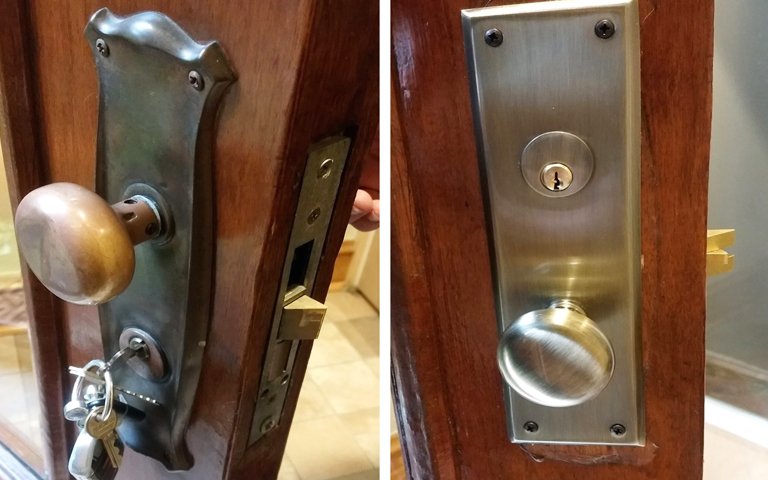
Keeping your home safe is important, and locks are a big part of that. Whether you just moved in, lost a key, or want to make your security better, you might be thinking: should I rekey my locks or replace them entirely?
Understanding the difference between rekeying and replacing locks can help you decide the best way to improve your security without spending too much money.
In this guide, we’ll explain what each option means, their pros and cons, costs, and when each is best to use.
What Is Rekeying a Lock?
Rekeying means changing the inside parts of a lock so that the old key won’t work anymore.
The lock itself stays the same, but a new key is made to fit the new setup.
Rekeying is usually done by a professional locksmith, although some lock brands offer tools for doing it yourself.
How Rekeying Works
- The lock cylinder is taken out.
- The internal parts like pins are either changed or rearranged.
- A new key is made to match the new setup.
- Once a rekeyed, only new keys can open the locks.
What Does It Mean to Replace a Lock?
- Replacing a lock involves removing the old lock pieces and installing new ones.
- This includes the whole lock system like the body and the key.
- Lock replacement is usually chosen when your current lock is broken, old, or doesn’t meet modern security standards anymore.
Rekeying vs Replacing Locks: Key Differences
Knowing the main differences between these options can help you decide what’s best for your situation.
Cost Comparison
- Rekeying is usually cheaper since you are using the same hardware.
- Replacing locks costs more because you have to buy new parts and install them.
Security Level
- Rekeying improves security by making old keys useless.
- Replacing locks lets you upgrade to more secure or smart lock systems.
Time Required
- Rekeying is quicker and can often be done in one visit.
- Replacing locks takes longer, especially if you’re doing it for multiple doors.
Appearance
- Rekeying keeps the look and style of the existing lock.
- Replacing allows you to change the look and feel of your locks.
Benefits of Rekeying Locks
Rekeying is a good option for people who want better security without spending much.
1. Cost-Effective Security Upgrade
Rekeying is much less expensive than replacing locks, making it a smart choice for people who want to save money.
2. Prevents Unauthorized Access
If someone had a copy of your key in the past, rekeying ensures they can’t use it anymore.
3. Convenient Key Control
You can rekey several locks to work with one key, so you don’t have to carry many keys.
4. Quick and Efficient
Most rekeying jobs can be done quickly without much disruption.
Benefits of Replacing Locks
Although it costs more, replacing locks has some advantages that rekeying can’t offer.
1. Improved Lock Technology
Replacing lets you upgrade to:
– High-security deadbolts
– Smart locks
– Keyless entry systems
2. Fixes Worn or Damaged Locks
If your lock is broken, rusty, or not working right, replacement is a better option.
3. Enhances Home Value
Modern locks can improve how your home looks and increase its value.
4. Better Long-Term Reliability
New locks are less likely to break down because the internal parts are fresh.
When Should You Rekey Your Locks?
Rekeying is usually the best choice in the following situations:
– You’ve just moved into a new home
– You lost a key and worry it might be found
– Your locks are still working properly
– You want a fast and inexpensive security upgrade
Rekeying after moving into a new home is a common recommendation from security experts.
When Should You Replace Your Locks?
Replacing locks is the better choice when:
– You want to upgrade to a smart or keyless lock
– The lock is old or not secure
– You are doing renovations or upgrading door parts
– The lock brand can’t be rekeyed
Rekeying vs Replacing Locks for Home Security
- From a security point of view, both options can be effective if used properly.
- Rekeying increases security by controlling who has access to your home.
- Replacing locks enhances security by making the lock more secure and adding new features.
- For many people, a mix of both options works best—rekey some doors and replace others.
Cost of Rekeying vs Replacing Locks
The cost can vary depending on your location, the type of lock, and the number of doors, but generally:
– Rekeying is less expensive for multiple locks
– Replacing locks costs more because you’re buying new parts
– Professional locksmith services often offer special prices for rekeying multiple locks.
DIY vs Professional Locksmith Services
DIY Rekeying
– Only works with certain lock types
– Requires exact tools and knowledge
– Mistakes can damage the lock
Professional Locksmith
– Ensures the job is done securely
– Saves you time and effort
– Offers expert advice
For most homeowners, getting help from a professional for rekeying or lock replacement offers peace of mind.
Common Mistakes to Avoid
– Thinking rekeying can fix a damaged lock
– Replacing locks when rekeying would be enough
– Choosing low-quality locks
Security is best when all parts of your home are protected.
Final Thoughts
Choosing between rekeying and replacing locks depends on your needs, what you can afford, and your security goals.
Rekeying is ideal for a quick and inexpensive way to improve security, while replacing locks is better when you want to upgrade to new technology or fix worn parts.
Both options are important for keeping your home safe and secure.
By understanding the differences, advantages, and best situations to use each, you can make a confident choice that protects your home well.