


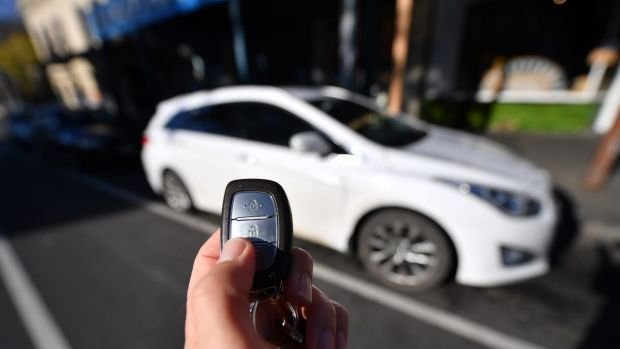
A traditional key is a cut piece of metal (sometimes with a chip inside) that you insert into the ignition. A smart key is an electronic fob that lets you unlock the car and start it with a push button while the fob stays in your pocket. Smart keys are more convenient and often more secure against casual theft, but they cost more to replace and need programming. Traditional keys are cheaper and simpler, but offer fewer features.
If you’ve ever stood in a parking lot in Knoxville patting down every pocket, you already know why this topic matters. Keys have changed a lot in the last 20 years, and what’s in your hand affects what you’ll pay when something goes wrong. At Keyhub Locksmith, we help local drivers with lost, broken, and malfunctioning keys every week, so here’s a plain-English guide to what you actually have and what to do about it.
What Kind of Key Do You Have?
Most people can’t say for sure, and that’s normal. Here are the four common types:
1. Traditional (mechanical) key. A plain metal key with no electronics. Common on older vehicles, roughly pre-mid-1990s.
2. Transponder key. Looks like a regular key, but the plastic head contains a small chip. The car won’t start unless it recognizes the chip’s code. Very common on vehicles from the late 1990s onward.
3. Remote key or key fob combo. A transponder key with lock, unlock, and trunk buttons built in. You still insert it into the ignition.
4. Smart key (proximity key). A fob that communicates wirelessly with the car. You can unlock the doors and start the engine with a button, without taking the fob out. Many newer vehicles use this.
Not sure which one you have? If your car has a push-button start, you have a smart key. If you turn a key in the ignition, you have one of the first three.
Smart Keys vs Traditional Keys: Side-by-Side
| Traditional / Transponder Key | Smart Key | |
|---|---|---|
| How it works | Inserted and turned in the ignition | Detected by the car; push-button start |
| Convenience | Basic | High (hands-free entry and start) |
| Replacement cost | Generally lower | Generally higher |
| Programming needed | Transponder versions, yes; plain metal, no | Yes, always |
| Battery | None (transponder) or small (remote) | Small coin battery that needs periodic replacement |
| Theft risk | Can be duplicated if chip is not present | Vulnerable to relay attacks if left unprotected |
| Backup option | Spare key | Hidden mechanical key inside the fob |
Neither type is simply “better.” The right fit depends on your vehicle, budget, and habits.
The Real Pros and Cons
Smart keys: what’s good
- Hands-free entry and start
- Fewer moving parts to wear out in the ignition
- Often tied to more advanced anti-theft systems
- Extra features such as remote start or trunk release on many models
Smart keys: what to watch for
- Higher replacement and programming costs
- Battery failure can leave you confused in a parking lot
- Water damage or a hard drop can kill the electronics
- Relay theft, where thieves capture and amplify the signal from a fob inside a house to unlock and drive off a car
Traditional and transponder keys: what’s good
- Cheaper to copy or replace
- Simple and easy to understand
- No batteries to worry about on non-remote versions
Traditional and transponder keys: what to watch for
- Ignition wear over time, especially with heavy keychains
- Fewer convenience features
- Older, chip-free keys offer little protection against theft
How Much Does Key Replacement Cost?
Prices vary by make, model, year, and key type, so treat these as rough planning ranges, not quotes:
- Basic metal key (no chip): usually the least expensive option
- Transponder key: mid-range, since it must be cut and programmed
- Remote key / fob combo: higher than a standard transponder
- Smart key: typically the most expensive, depending on the vehicle
Dealerships often charge more than independent automotive locksmiths and may require you to tow the car in. A mobile locksmith can usually come to you, which matters if you’re stranded in a parking lot or driveway. Always request a full price quote before work begins.
What To Do If You Lose Your Only Smart Key
This is the situation people dread. Here’s a calm way to handle it:
- Retrace your steps and check pockets, bags, and the car itself.
- Don’t panic-buy online. Cheap unverified fobs can fail to program.
- Gather your proof of ownership: registration, title, or insurance paperwork, plus your ID.
- Call an automotive locksmith who can program a new smart key on-site.
- Ask about the old key. A professional can often erase the lost key from the car’s system so it can no longer start the vehicle.
Having a spare made before you lose the only one is almost always cheaper and far less stressful than an emergency replacement.
What If Your Smart Key Battery Dies?
This happens more often than people expect, and it doesn’t always mean the key is broken. Try these first:
- Use the hidden mechanical key. Most smart fobs have a small metal key inside that releases from the case. It opens the driver’s door.
- Hold the fob against the start button or place it in the designated slot or console area. Many cars can read a dead fob at very close range. Check your owner’s manual for the exact spot.
- Replace the battery. Most fobs use a common coin cell battery, often a CR2032, though this varies, so check your fob.
If the car still won’t recognize the key after a fresh battery, the fob may need re-programming or replacement.
How To Protect a Smart Key From Theft
Relay attacks are real, but they’re easy to reduce:
- Store your fob away from the front door and exterior walls at home
- Use a signal-blocking pouch (often called a Faraday pouch)
- Check whether your fob has a sleep or power-saving mode in the owner’s manual
- Use a visible steering wheel lock if you park somewhere high-risk
- Park in well-lit, busy areas when possible
No single step makes a car theft-proof, but layers of protection make your vehicle a harder target.
Common Key Mistakes Drivers Make
- Waiting until the last key is lost to make a spare
- Keeping a heavy keychain on a traditional key, which wears the ignition
- Ignoring a weak fob battery warning on the dash
- Buying a cheap fob online without confirming it works with their vehicle
- Leaving the fob in the car, which invites theft and lockouts
- Using a locksmith who won’t give a written quote up front
When To Call a Locksmith Instead of the Dealer
An automotive locksmith is often the better choice when:
- You’ve lost all your keys and can’t drive the car
- Your key is broken off in the ignition or door
- You need a spare and want to avoid a dealership trip
- You’re locked out
- You need a quick, on-site solution
Dealers can be the right call for certain brand-specific or very new systems. If you’re not sure, ask a locksmith whether they can handle your exact make, model, and year before you commit.
Local Car Key Help in Knoxville and Surrounding Areas
Keyhub Locksmith is based in Knoxville, TN and helps drivers with key replacement, spare keys, lockouts, broken keys, and smart key programming. Whether you’re in West Knoxville, Farragut, Powell, Maryville, or near the UT campus, we aim to get you back in your vehicle quickly and with clear pricing.
Need a spare, or stuck without a key? Contact Keyhub Locksmith in Knoxville, TN for a fast, upfront quote.
Frequently Asked Questions
What is the difference between a smart key and a traditional key?
A traditional key is inserted into the ignition and turned to start the car. A smart key is a wireless fob that lets you unlock and start the vehicle with a push button while the fob stays in your pocket or bag.
Are smart keys more secure than regular keys?
Often yes, because they use encrypted communication. But they can be targeted by relay attacks, so storing them in a signal-blocking pouch is a good habit.
Is it more expensive to replace a smart key?
Generally, yes. Smart keys require specialized programming and hardware, so replacement costs are usually higher than for a standard or transponder key.
Can a locksmith make a smart key if I lost all my keys?
In many cases, yes. A qualified automotive locksmith can often cut and program a new key on-site when you can show proof of ownership. Compatibility depends on the vehicle.
How long does a smart key battery last?
Often around one to three years, depending on the fob and how much you use it. Replace it at the first sign of reduced range or warning lights.
Can I start my car if the smart key battery is dead?
Usually. Many vehicles let you hold the fob against the start button or a marked spot to start the engine. Your owner’s manual shows the right method.